Year-end is not just about filing taxes. It is about understanding how your business performed, catching problems while they are still small, and setting yourself up for a smoother year ahead. For small business owners in Mission, Chilliwack, and across the Fraser Valley, good year-end preparation means lower accounting fees, less stress, and fewer surprises from the Canada Revenue Agency.
Whether you run a construction company in Abbotsford, a retail shop in Langley, or a home-based service business in Mission, the fundamentals are the same. Clean books, organized records, and a clear understanding of your obligations keep you compliant and reveal opportunities you might otherwise miss.
This checklist walks through what to prepare before you meet your CPA, the key deadlines you cannot afford to miss, and how to use year-end as a planning tool rather than just a tax exercise.
Step 1: Reconcile and Clean Up Your Bookkeeping
Your CPA cannot work magic with messy books. The cleaner your records, the faster and cheaper your year-end process will be.
Reconcile bank and credit card accounts:
Every bank account and credit card used for business needs to be reconciled through your year-end date. This means matching every transaction in your accounting software to your bank statements and explaining any discrepancies. Unreconciled accounts signal missing transactions, duplicates, or errors that your CPA will need to chase down.
Catch-up bookkeeping:
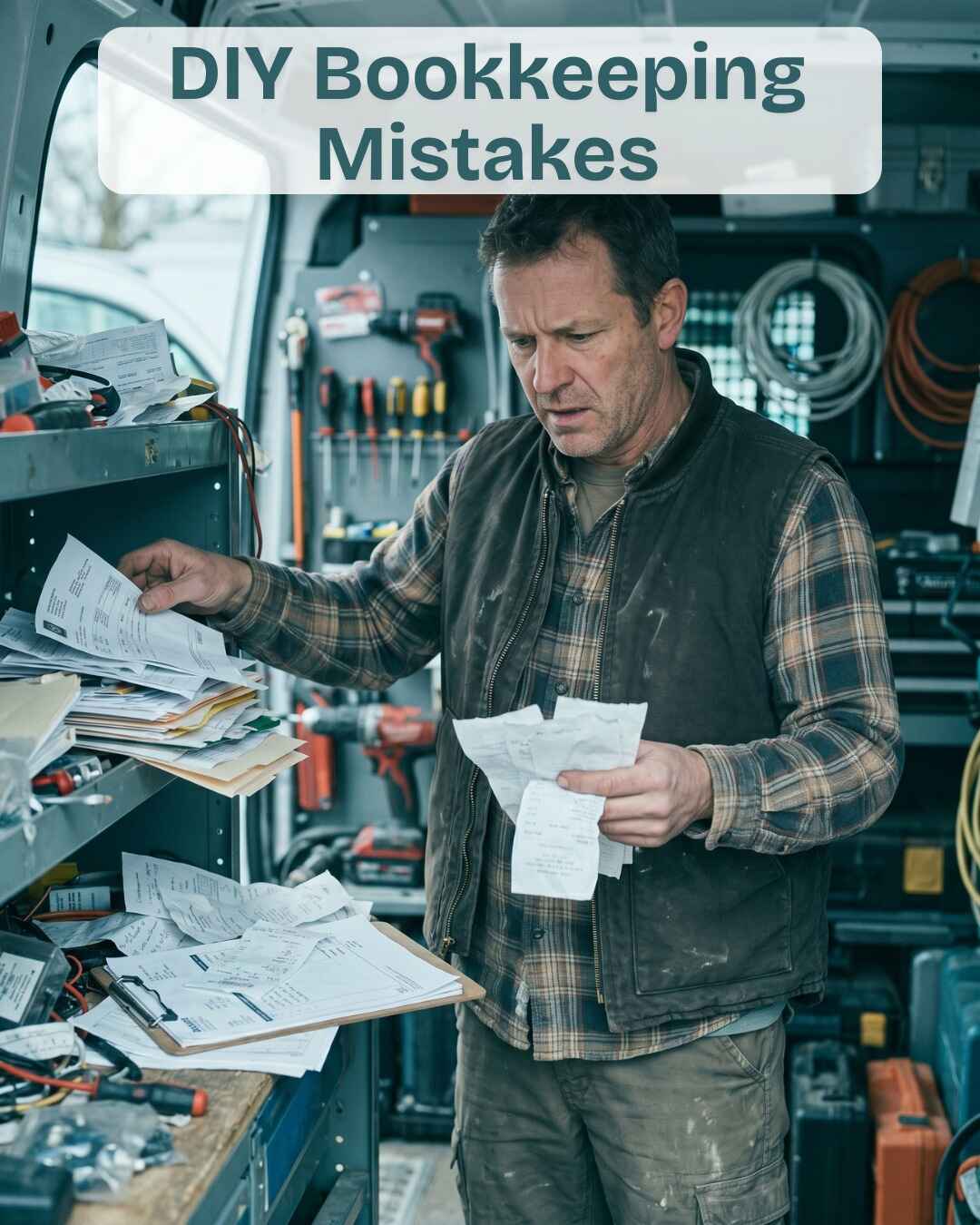
If you have fallen behind, year-end is the time to catch up. Sorting three months of receipts is manageable. Sorting twelve months while your CPA waits is expensive. Consider whether your current bookkeeping system is sustainable or if you need ongoing support.
Separate personal transactions:
Business and personal expenses must be clearly separated. If you have used business funds for personal expenses or vice versa, document these clearly. Your CPA needs to understand shareholder loans, draws, and contributions to report them correctly.
Review accounts receivable and payable:
Follow up on outstanding invoices. Determine which receivables are collectible and which need to be written off. Review unpaid bills and decide what will be paid before year-end versus what rolls into the new year.
Step 2: Gather the Documents Your CPA Will Ask For
Your CPA needs documentation to support the numbers in your books. Having these ready speeds up the process and reduces back-and-forth.
Income and sales records:
Provide detailed sales reports, invoices issued, and any other income documentation. If you use point-of-sale software or e-commerce platforms, export year-end summaries. Include records of cash sales if applicable.
Expense receipts and vendor statements:
Gather receipts for major expenses, especially those over $500. Compile statements from recurring vendors. If you claim vehicle expenses, have your mileage log and vehicle expense records organized.
Bank and credit card statements:
Provide statements for all business accounts covering the full fiscal year. Include January statements from the following year so your CPA can verify year-end transactions that cleared after December 31.
Loan statements:
Include statements for business loans, lines of credit, and vehicle financing. Your CPA needs to verify interest expenses and principal balances.
Payroll records:
If you have employees, gather payroll summaries, T4 slips, and records of remittances made to CRA. Include contractor payments requiring T4A slips. Verify that your payroll tax remittances match your payroll records.
CRA notices and prior year return:
Provide any correspondence from CRA, including notices of assessment from the prior year. Include your previous year’s tax return for reference.
Asset purchases and disposals:
Document any equipment, vehicles, or significant assets purchased during the year. Include purchase dates, costs, and invoices. If you sold assets, provide details of the sale.
Step 3: Do Not Miss These BC and CRA Deadlines
Missing tax deadlines results in penalties and interest. Mark these dates on your calendar.
T4 and T4A slips:
Employers must issue T4 slips to employees by the last day of February. For 2025, the deadline is March 2, 2026, because February 28 falls on a Saturday. You must also file the T4 Summary with CRA by the same date. Late filing penalties start at $100 and increase based on the number of slips and how late you are.
GST/HST filing:
GST filing deadlines depend on your reporting period. Monthly and quarterly filers have returns due one month after the period ends. Annual filers with a December 31 year-end have a filing deadline of June 15, but any balance owing is due April 30. If your net GST exceeded $3,000 last year, you may need to make quarterly instalment payments.
As of January 2024, most GST returns must be filed electronically. Paper filing is no longer an option for most businesses.
Corporate tax installments:
If you are incorporated and expect to owe more than $3,000 in taxes, you generally need to make quarterly installment payments. These are due throughout the year, but understanding your installment obligations as you approach year-end helps with cash flow planning.
Corporate tax filing:
T2 corporate tax returns are due six months after your fiscal year-end. Taxes owing are generally due two months after year-end, or three months for qualifying small business corporations.
Sole proprietor tax filing:
If you are a sole proprietor, your business income is reported on your personal tax return using Form T2125. While your filing deadline is June 15, any taxes owing are due April 30. Interest starts accruing May 1 even if you file later.
Step 4: Sole Proprietor Versus Incorporated — What Changes at Year-End
Your business structure determines what you file and when.
Sole proprietors:
Your business year-end is always December 31. You report business income on your personal tax return using Form T2125. You pay both employer and employee portions of Canada Pension Plan contributions on your net business income. This often results in a larger tax bill than employees expect, so setting aside funds throughout the year is essential.
Incorporated businesses:
Corporations can choose any fiscal year-end, though many use December 31 for simplicity. You file a T2 corporate tax return annually, regardless of whether you made money or not. Shareholder loans require careful tracking. If you owe the corporation money, there are specific rules about repayment and potential tax consequences. Salary versus dividend decisions affect both corporate and personal taxes. These are discussions to have with your CPA before year-end closes.
Shareholder loans:
If you have borrowed money from your corporation or lent money to it, these balances need to be reconciled. CRA has strict rules about shareholder loans that remain outstanding too long. Your CPA can advise on repayment strategies or documentation requirements.
Step 5: Use Year-End to Make Smarter Decisions
Year-end is not just about looking backward. It is a planning window for the year ahead.
Cash flow review:
Analyze where your money actually went. Are you spending more on certain categories than expected? Do you have seasonal fluctuations that require better planning? Understanding your cash flow patterns helps you make informed decisions about hiring, equipment purchases, and expansion.
Pricing and margin check:
Calculate your true profitability by product, service, or client. Are certain offerings barely breaking even? Should you raise prices or cut costs in specific areas? Year-end numbers reveal the reality behind your assumptions.
Tax planning opportunities:
Before your fiscal year closes, you may have options to reduce taxes. This could include making RRSP contributions, purchasing needed equipment, or timing income and expenses. Once year-end passes, these opportunities are gone. Ask your CPA what planning options remain available before your year-end date.
Setting aside tax funds:
If you owe taxes at year-end, use that information to plan for the coming year. Set up a separate savings account and transfer a percentage of revenue regularly so you are not scrambling when tax bills arrive.
Questions to ask your CPA:
- What tax planning opportunities are still available before year-end?
- Am I taking the optimal mix of salary and dividends?
- Should I purchase equipment before year-end or wait?
- Are there write-offs I am missing?
- How can I improve my bookkeeping process for next year?
Frequently Asked Questions
How long should I keep receipts in Canada?
CRA requires you to keep business records for six years from the end of the tax year they relate to. This includes invoices, receipts, bank statements, and tax returns. If you file late, the six-year period starts from the date you file.
Do I need to keep paper receipts?
Digital copies are acceptable provided they are clear, complete, and accessible. Scan or photograph receipts and store them with your accounting records. Make sure the images show the date, vendor, items purchased, and amount.
What if my books are behind?
Catch up as soon as possible. The longer you wait, the harder it becomes to reconstruct records. If you are significantly behind, your CPA may recommend a bookkeeping service to get you current before attempting year-end.
What is the GST Quick Method?
The Quick Method is a simplified GST filing option for small businesses with annual taxable supplies under $400,000. Instead of claiming input tax credits on expenses, you remit GST at a reduced rate. Depending on your expense level, this can simplify filing and sometimes reduce your net GST payable. Ask your CPA if it makes sense for your business.
Do I need to file a T2 if my corporation had no activity?
Yes. Corporations must file a T2 return annually even if there was no business activity, no income, or a loss. Failure to file can result in penalties and eventually dissolution of the corporation.
Ready for Year-End?
Good year-end preparation does not happen by accident. It requires organized records, attention to deadlines, and proactive communication with your CPA. The businesses that handle year-end smoothly are the ones that stay on top of their books throughout the year and gather documentation before their accountant asks for it.
If you are feeling overwhelmed by year-end preparation, you are not alone. Many small business owners in Mission, Chilliwack, and the Fraser Valley put off bookkeeping until tax season, creating unnecessary stress. The good news is that even messy books can be sorted out with the right help.
FTF Accounting works with service businesses, contractors, and small teams across the Fraser Valley. We handle year-end preparation, tax filing, and ongoing bookkeeping so you can focus on running your business. Whether you need a one-time catch-up or a long-term accounting partner, we can help you get organized and stay compliant.
Schedule a consultation to discuss your year-end preparation and tax planning. We will review your current situation, identify what needs to be done, and give you a clear path forward. Even if your books are behind, we can help you get back on track.